
24/7 Emergency Line Open
Commercial Plumbing in Cottonwood, AZ: Restaurants, Tasting Rooms, Shops and Apartments
A backed-up restroom, a kitchen drain that will not clear or a water heater that quit before opening can cost a business a full day. Commercial plumbing handles those failures and the planned maintenance that prevents them. Call with the type of business and the problem.
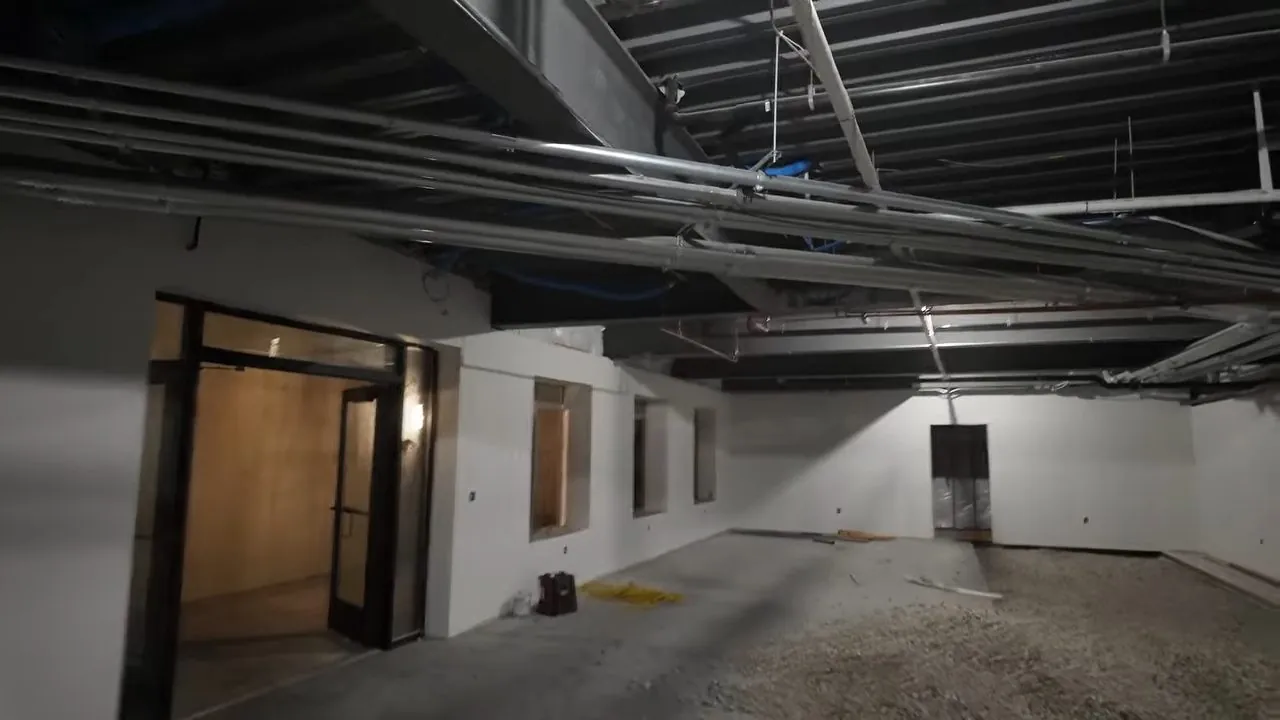
Business types and what usually goes wrong
Commercial buildings share fixtures with homes but run them harder. The table lists common building types and the plumbing calls they generate.
| Building type | Common plumbing calls | Why it happens |
|---|---|---|
| Restaurant or tasting room | Kitchen drain backups, grease buildup, water heater failure | Constant use and grease in drains |
| Retail shop or office | Restroom clogs, leaking fixtures, slow drains | Shared fixtures and heavy daily use |
| Apartment building | Repeated clogs, leaks between units, heater failures | Many fixtures on shared lines |
| Light industrial space | Floor drains, hose connections, heavy-use restrooms | Equipment loads and wash-down use |
Restaurants, kitchens and tasting rooms
Old Town Cottonwood has a mix of restaurants and tasting rooms, and kitchens put the heaviest load on drains and water heaters. Hot water demand peaks at service, and grease builds in the lines between meals.
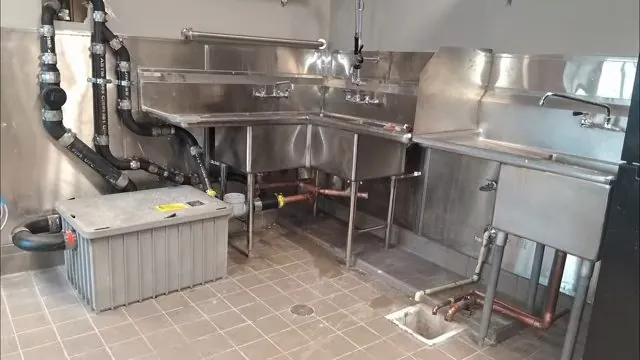
A kitchen drain that backs up is usually grease. A plumber clears it, then reviews the grease trap and the drain schedule so the same stoppage does not return. Related drain work is covered under kitchen drain clearing.
Call and give the business type, the problem and your address.
Maintenance contracts and the grease trap
Planned maintenance usually costs a business less downtime than a repair during service. A contract can include scheduled drain cleaning, grease trap service, water heater flushing and inspection of shutoff valves and backflow devices where required.
Grease traps need regular emptying. A trap that goes too long between service sends grease down the line and out to the sewer. The right interval depends on how much cooking the kitchen does, and a plumber sets a schedule after seeing the trap.
Ask any plumber who visits what a routine visit would cover before agreeing to a schedule. A useful plan names the fixtures and drains included, the interval between visits, what happens when something fails between visits and who records the work. Keep that record with the building files, because the next plumber, an inspector or a new property manager will want to see what was last done and when.
Water heaters, leaks and the lines under the building
Commercial water heaters run larger and harder than residential tanks. When one fails in a restaurant, the fix is a priority because dishwashing and handwashing depend on hot water. The same plumber can also repair a leak or locate one under a slab. See locating leaks under a floor slab for how hidden leaks are found.
Sewer lines serving a building carry more waste, and a blockage can back up several restrooms at once. A camera inspection shows whether a stoppage is a one-time clog or a damaged line.
The city's Community Development office at (928) 634-5505 handles plumbing permits, and a plumber confirms what your job needs before starting.
Call to discuss timing, access and the type of work.
Apartments, multifamily and light industrial
A building with several units has one set of main lines and many fixtures. A clog in one unit can be a symptom of a blockage shared by the stack, so a plumber looks at the line serving the unit rather than clearing only the sink in front of them.
Light industrial spaces add floor drains, hose connections and wash-down areas. These need regular clearing and sometimes a trap primer so the floor drain does not dry out and let sewer gas into the space.
In shared buildings, find out who owns each line before a call. A blockage that affects one unit usually sits in that unit branch, while one that reaches several units on a stack or the lowest floor sits in a shared line. Naming the affected units when you call helps the plumber bring the right equipment.
Restrooms, fixtures and shutoffs in a commercial building
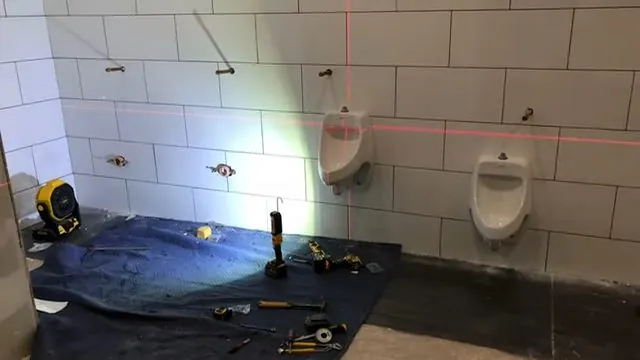
Public restrooms take the most abuse. Flush valves wear out, urinals clog with debris and toilets run unnoticed until the water bill climbs. A plumber replaces worn parts, tightens supports and checks that each fixture has a working shutoff.
Knowing where the main shutoff sits is part of running a building. Walk the premises with staff once and label the main valve, the water heater valve and the shutoff for each restroom group. When a line breaks, a labeled valve saves minutes and a flooded floor.
Keep a short list of the fixtures and the date each was last serviced. A plumber can build that list during the first visit and use it to plan the next one.
Scheduling work around your hours
Some work can wait for a slow morning, and some cannot. A stopped kitchen drain or an overflowing restroom is a call-now problem. Replacing a worn water heater or adding a hand sink can be planned for a closed day, with the shutoff time kept short.
When you call, give the type of business, the fixtures affected and how long the problem has lasted. If a pipe is leaking inside a wall or floor, mention that too, since the plumber may need access panels opened. Repairs to supply pipes in an older building can also be a worn supply pipes job rather than a patch.
Tenants and neighbors share lines in some buildings, so tell the plumber whether the building has a manager or an owner who authorizes access.
Commercial plumbing questions
What types of businesses do you serve?
Restaurants, tasting rooms, shops, offices, apartment buildings and light industrial spaces in the Cottonwood area.
Can you set up a maintenance schedule?
Yes. Scheduled drain cleaning, grease trap service and heater flushing reduce emergency calls.
How often should a restaurant grease trap be emptied?
It depends on cooking volume. A plumber looks at the trap and sets an interval that fits the kitchen.
Do you handle emergencies for businesses?
Call the main line and describe the problem. A plumber serving your area will respond as availability allows.
Call and describe your building and what is not working.