
24/7 Emergency Line Open
Drain Cleaning in Cottonwood, AZ: Slow Sinks, Gurgling Tubs and Clogs That Keep Coming Back
The sink empties a little slower each week, the tub gurgles when the washer drains, or a toilet will not clear. Name the fixtures that drain slowly, and a plumber serving your area will work out what to clear first.
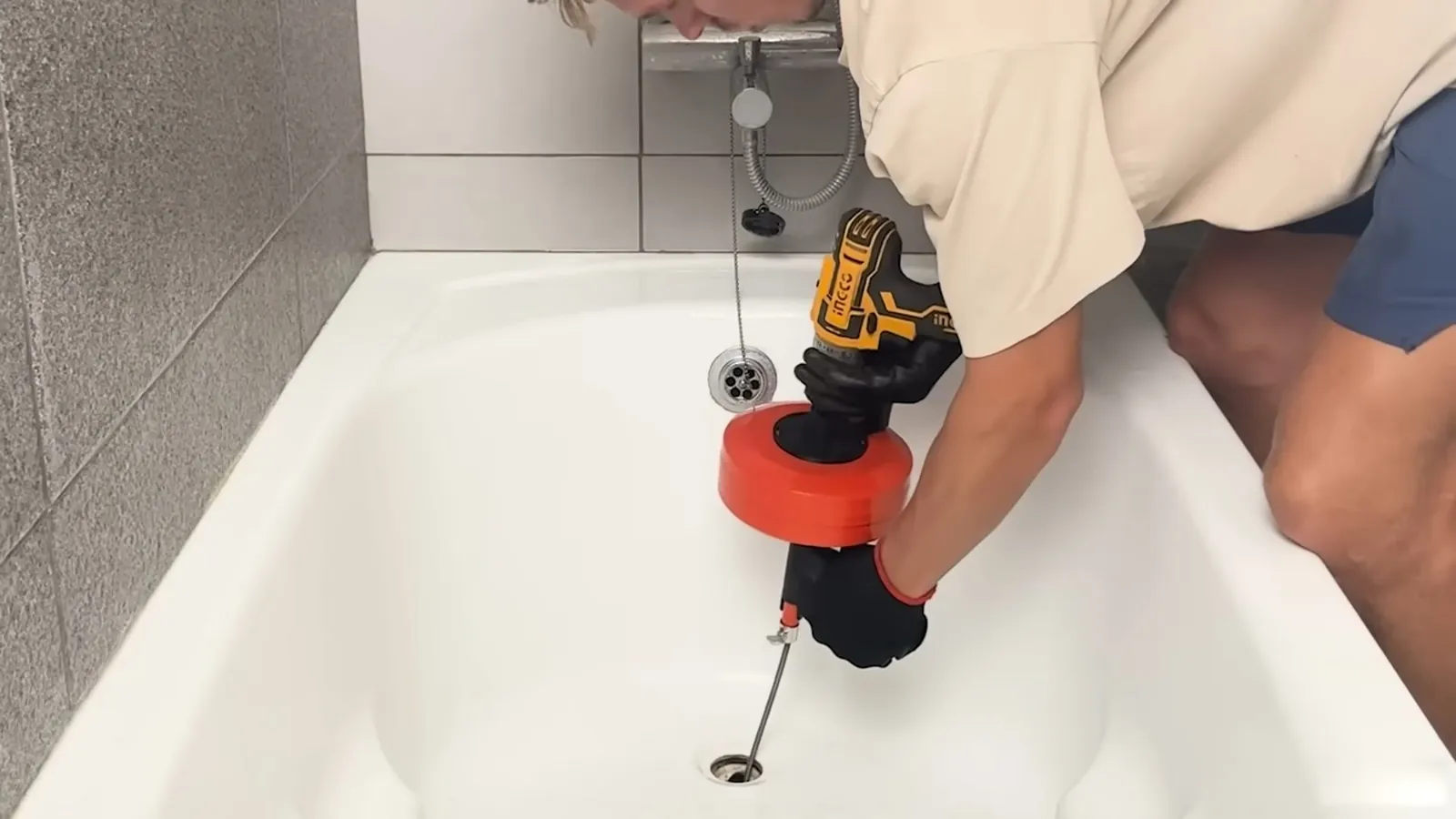
One slow drain or several? The answer points to where the clog is
A single fixture that drains slowly usually has a clog in its own trap or branch. When two or more fixtures slow down together, the blockage is probably further along, in a shared branch or the main line. Tell the plumber which fixtures are affected, in what order they started and whether water appears in a different drain when one runs.
| What you see | Likely location | What usually clears it |
|---|---|---|
| One sink or tub drains slowly | The fixture’s own trap or short branch | Cable or small auger through the fixture drain |
| Tub gurgles when the washer drains | A shared branch line | Cable through the branch, camera check if it returns |
| Toilet bubbles and a floor drain backs up | The main line or the cleanout | Main-line cable or hydro jetting, camera to confirm the cause |
| Every drain is slow and a smell lingers | Main line or the connection to the sewer or septic | Camera inspection first, then clearing or repair |
| Same clog returns every few weeks | A damaged section, a belly or roots | Camera inspection to find the reason before clearing again |
First question
Is your home on city sewer or a septic system?
Some Cottonwood properties are not on the city wastewater system. Under Ordinance 736, adopted in 2023, sewer fees apply to connected properties, while septic systems remain in use around the area.
It changes the work. A clogged line on city sewer is cleared toward the municipal main. A clogged line on septic may mean a full tank, a blocked baffle or a drain field that is not draining. Check your sewer bill, or ask the City of Cottonwood Utility Department, and tell the plumber which one applies.
Anything involving a septic tank itself is outside this service, and the plumber will say so plainly.
Snaking, rooter and cable work: the standard way to clear a blockage
A drain cable, sometimes called a snake or an auger, is a flexible steel line with a cutting or hooking head. It is fed into the drain until it meets the clog, then turned to break through or pull the material out. Smaller machines suit sinks and tubs. Heavier machines with larger heads clear branch and main lines.
Cabling opens a path through the clog, and that is usually all a hair, paper or soap blockage needs. Grease and scale are different, because they coat the pipe wall, and a cable leaves much of that coating behind.
Hydro jetting: when a line needs washing, not just opening
Hydro jetting pushes water through a nozzle at high pressure, and the jets scour the inside of the pipe. It clears grease, soap scum and light root growth, and it removes the film that makes clogs return. Most plumbers run a camera first, because jetting a cracked or collapsed line can make things worse.
| Cable (snake) | Hydro jetting | |
|---|---|---|
| Suited to | Single clogs, hair, paper, a toy in a toilet | Grease, scale, soap film, repeat clogs in a main line |
| What it does to the pipe wall | Cuts a channel through the blockage | Scours the wall along the full length |
| Good first choice when | The clog is new and local to one fixture | The line keeps clogging and a camera shows buildup |
| Not suited to | Heavy coating on the pipe wall | Pipes that are cracked, collapsed or badly corroded |
The plumber picks the method after seeing what is in the line, not before.
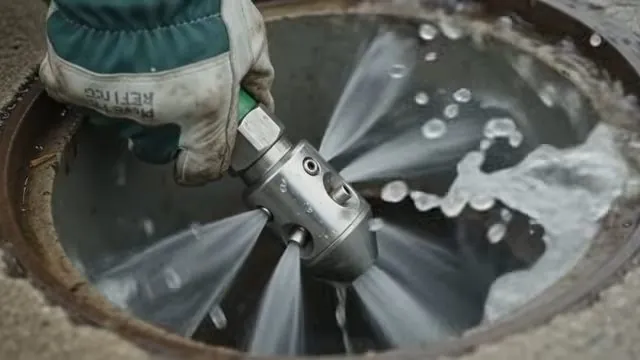
Name the drains that are slow, and dispatch will line up the right plumber.
Kitchen sink, toilet, tub and shower: what usually causes each clog
Kitchen sink
Cooking fat cools inside the pipe and holds food particles. A kitchen drain that keeps clogging often has a grease coating a cable will not remove. A disposal that jams is a related job covered under garbage disposal repair.
Toilet
Too much paper or a foreign object is the usual reason. If a plunger fails and other drains are also slow, the problem is deeper than the toilet.
Tub and shower
Hair and soap form a mat just below the strainer. A slow tub that gurgles another drain points to a shared branch, not the tub alone.
For a slow bathtub that backs up into a floor drain or another fixture, stop using that bathroom and note which fixture water appears in. That one detail often tells the plumber where the blockage sits.
Main line blockages, roots and camera inspection
The main drain carries everything leaving the house. When it blocks, several fixtures slow down at once, and a floor drain or the lowest tub is the first to back up. A cleanout, if the house has one, gives the plumber direct access to clear it.
Tree roots look for moisture and can enter a pipe at a joint. A camera shows roots, a sag where water sits, a cracked section or a clean pipe with only a soft clog. That is why a camera visit is worth it when a clog comes back.
If the camera finds a broken or collapsed section, clearing will not fix it. The next step is covered under sewer line repair and replacement. Odors from a floor drain are often a dry trap, which water refills, but a persistent smell with slow drains calls for a look.
Damaged drain pipe: when clearing is not enough
Older drain lines can corrode, crack or settle out of line. Cast iron rusts from the inside and grows rough, which catches paper and grease. Plastic lines can sag or separate at a joint. Either condition invites the same clog again and again.
A camera confirms it, and repair can be a short cut-out and a new section, a liner or a longer replacement. The plumber should show you the footage and explain the options before work starts. Irrigation lines and yard drainage are a separate trade and are not handled here. A restaurant or kitchen in Old Town with grease-heavy drains has its own schedule needs, covered under restaurant and shop plumbing.
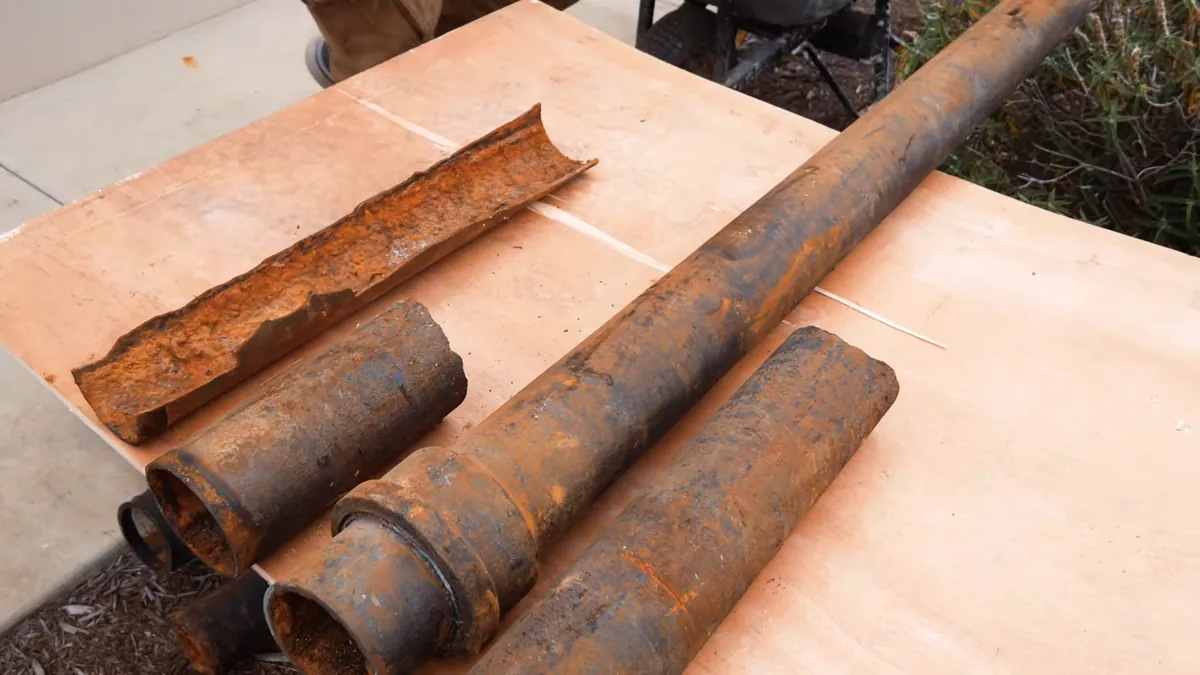
Call and ask for a camera check along with the clearing.
Drain cleaning questions from Cottonwood homeowners
Why does my kitchen drain keep clogging?
Cooking fat and food particles coat the pipe wall, and a cable cuts through only the middle of that buildup. A line with a damaged section or a sag can also catch debris repeatedly. A camera shows which it is, and hydro jetting often removes the coating that a cable leaves behind.
What does drain snaking or cabling involve?
A flexible steel cable with a cutting head is fed into the drain until it reaches the clog, then turned to break it up or pull it out. It suits single clogs and hair or paper blockages. Heavier machines handle branch and main lines.
Is hydro jetting better than snaking?
Neither is better in every case. Snaking opens a channel and suits a new, local clog. Hydro jetting washes the whole pipe wall and suits grease, scale and repeat clogs. Cracked pipes are usually not jetted, so a camera check comes first.
My bathtub drains slowly and water backs up elsewhere. What should I do?
Stop running water in that bathroom and note which other fixture shows water. Backup in a second fixture points to a shared line. Avoid chemical drain openers, because they can sit in the pipe and splash the plumber, and call for a cable or camera visit.
How is a main line blockage cleared?
The plumber opens the cleanout, or a vent if needed, and runs a heavy cable or a jetting hose to the blockage. A camera afterward shows whether the line is sound. If it is not, repair or replacement is discussed before work.
Describe the slow fixtures, then give your address.