
24/7 Emergency Line Open
Water Heater Installation in Cottonwood, AZ: Sizing, Permits and Replacing a Tank That Has Failed
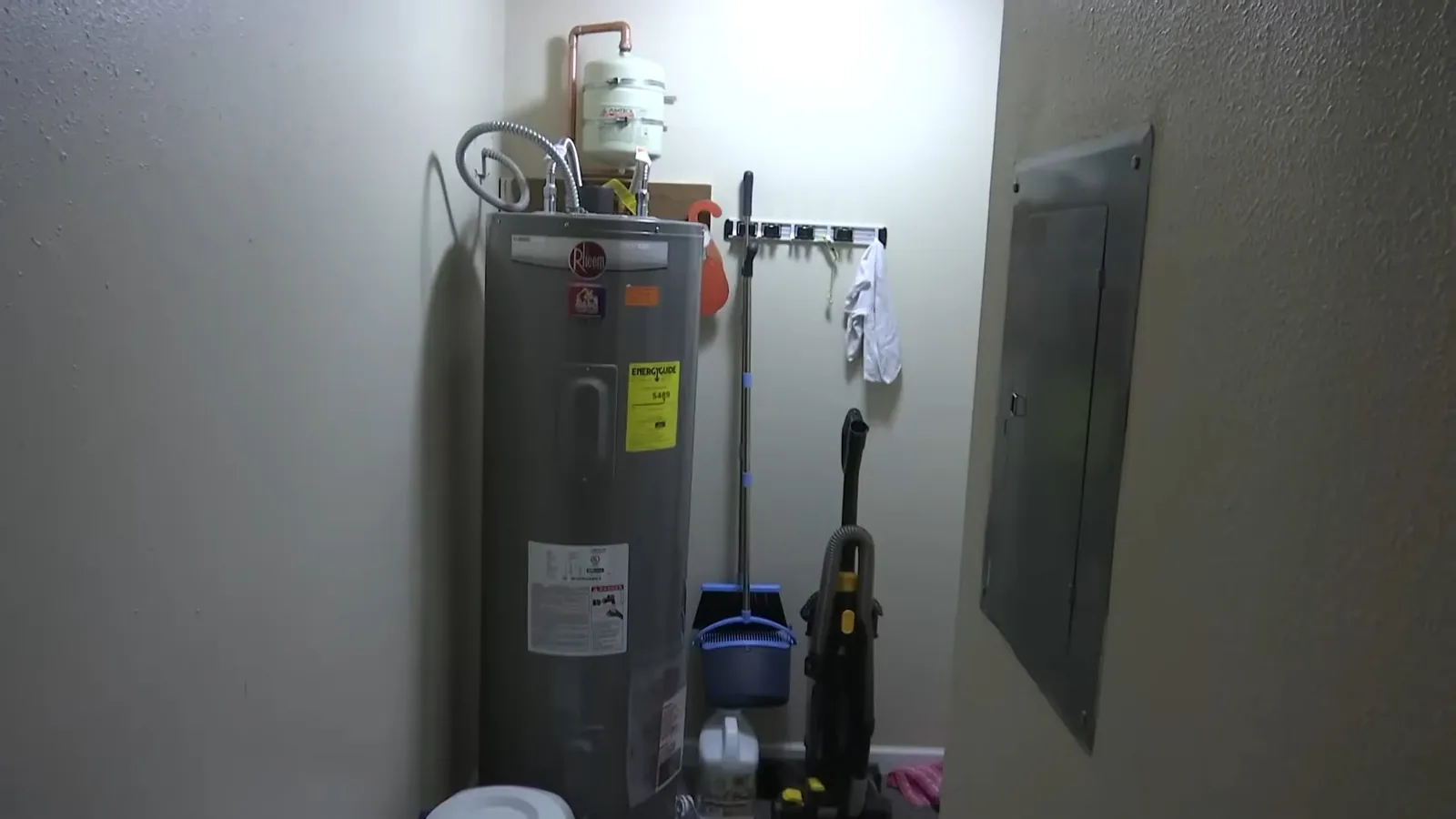
The old tank is leaking at the base, or it has run out of repairs, and the household still needs hot water tonight. Call, describe the heater and the closet it sits in, and a plumber serving your area can talk through replacement.
Decide first
Repair or replace? Signs the old heater is finished
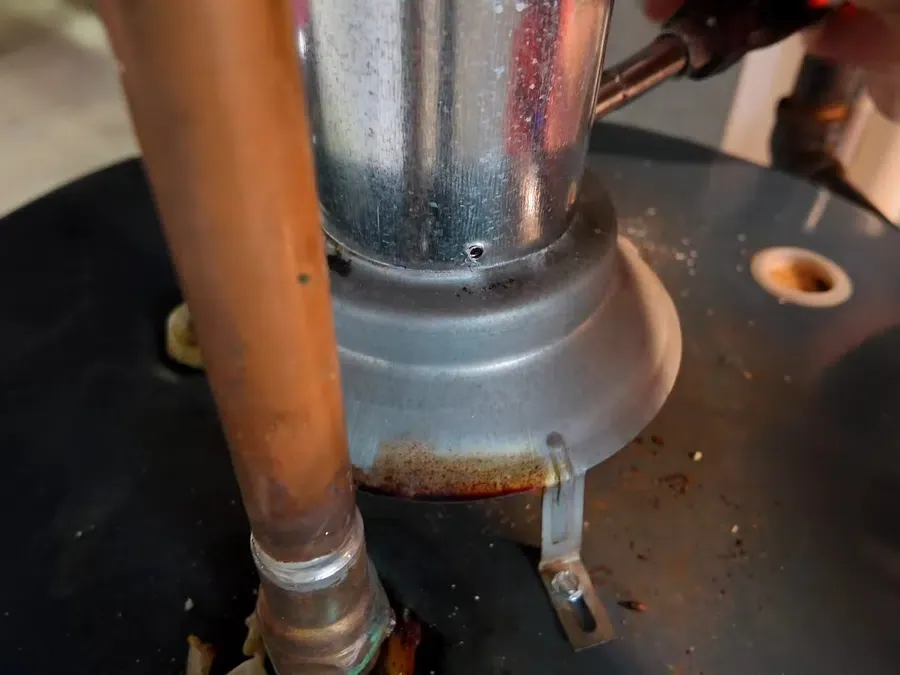
A tank heater wears out from the inside. Minerals pile up, the lining fails and the steel starts to corrode. Some problems are a small part, and some are the end of the tank.
- Water is seeping from the tank body, not from a pipe fitting or a valve.
- The heater is well into its second decade and failing a little more each year.
- Hot water comes out rusty, or the tank rumbles even after a flush.
- A second repair has just been quoted within a short span of the first.
If the problem sounds like a thermostat, an element or a pilot, start with a repair visit. A good plumber will say honestly which path fits.
Gas, electric, hybrid or point-of-use: what each type asks of your house
The right heater depends on the fuel you already have, the space available and how much hot water the household uses at once. For fuel, find out whether the house has natural gas service or a propane tank. UniSource Energy Services is the utility named for natural gas in the Verde Valley.
| Type | What it needs | Worth knowing |
|---|---|---|
| Gas tank | A gas line, a vent and combustion air | Recovers quickly; venting and gas connections are inspected work |
| Electric tank | A dedicated circuit of the right size | Simple to place; the wiring has to be adequate |
| Hybrid heat pump | Electric supply, clearance and a drain for condensate | Needs open air around it and room above it |
| Point-of-use or under-sink | A nearby outlet or small circuit | Suits one fixture far from the main heater |
| Tankless | Gas or large electric capacity and a vent | Has its own page, linked below |
For on-demand units, see the page on a tankless water heater. Gas supply changes are handled under gas line work.
Sizing: how many gallons a household really needs
Sizing is about demand at the busiest hour, not the number of people in the house. A family that showers back to back in the morning needs more stored hot water than two people who bathe at different times. Dishwashers, washers and large soaking tubs add to the load.
Plumbers use the first-hour rating on the label, which tells how much hot water a heater can deliver in one hour starting full. Tell the plumber how many bathrooms you have and when the busy hour is, and the choice becomes straightforward. Oversizing wastes energy keeping extra water hot, and undersizing means cold showers.
Call and describe the heater, then ask what is possible today.
What happens on a replacement visit
A straight swap of the same type, in the same spot, is the simplest job. Changing the fuel or location adds steps.
Permit, code and the expansion tank
Cottonwood’s published handout treats a replacement heater as permit work. Without one, it warns, a homeowner can face fines, removal of the work, sale complications and insurance disputes. Ask the plumber who pulls the permit and whether an inspection will be scheduled. Community Development is at (928) 634-5505.
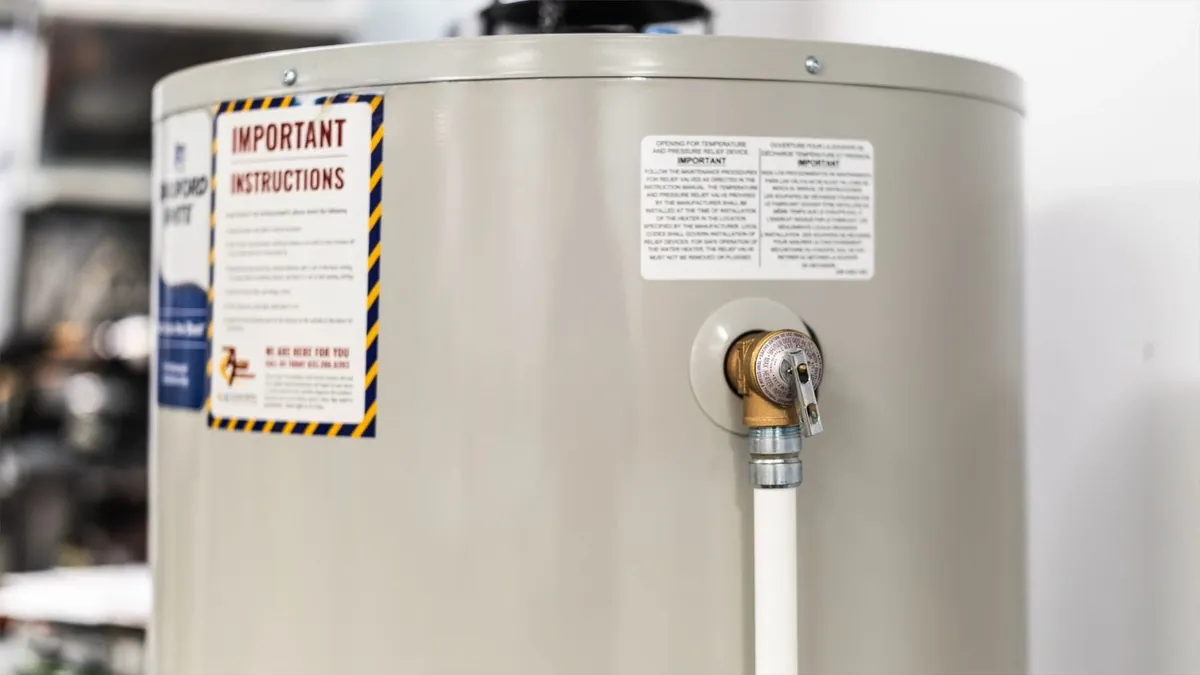
Code also covers parts you cannot see from the closet door. A temperature and pressure relief valve needs a proper discharge pipe. Where a pressure regulator or backflow device closes the system, heated water has nowhere to expand, and an expansion tank is often added to take that pressure. Ask whether yours needs one.
Replacing two heaters, or one in an emergency
Some homes and small buildings have two tanks. They can be replaced together or one at a time, and the plumber will match capacity to how they are plumbed. If a heater fails after hours, dispatch can tell you whether a replacement may be possible when a plumber is available, but no arrival time is promised.
A heater that has been leaking may have soaked the floor beneath it. drying after a failed heater comes next once the plumbing is stopped.
Hiring
Questions to ask whoever installs your heater
- Who pulls the permit, and is an inspection part of the job?
- What size and type is being recommended, and why?
- Will the old unit be hauled away?
- What does the manufacturer cover, and for how long?
- Will the vent, relief valve and expansion tank be checked and brought to code?
License details for the plumbers doing the work are available on request. Hard water shortens a tank’s life, and the only figure for this ZIP code is an outside estimate of roughly 17 grains per gallon. Ask your water provider for the current number and see water softener options.
Say what you have now and what you want, and dispatch will connect you with a plumber.
Water heater replacement questions
Do I need a plumber to install a water heater?
Yes in practice. The job involves water, gas or high-amperage electrical connections, venting and a permit. Mistakes cause leaks, carbon monoxide risk or fire hazards, which is why it is licensed work.
Can two water heaters be replaced at once?
Yes. The plumber checks how they are plumbed, sizes each to its load and handles both permits together. Doing both at once can save a second visit.
What if my heater fails after hours?
Call the dispatch line. A replacement may be possible when a plumber is available, but no arrival time is promised. Meanwhile close the cold supply to the heater and turn off its power or gas.
How do I know what size water heater I need?
It depends on peak demand and the first-hour rating on the label. Tell the plumber how many bathrooms and appliances run at the same time and when the busy hour falls.
How do I choose who installs my water heater?
Ask who pulls the permit, how the vent and relief valve will be handled and what the manufacturer covers. License details are available on request from the plumbers who do the work.
Give your address and heater type, and a plumber will be lined up.