
24/7 Emergency Line Open
Faucet and Toilet Repair in Cottonwood, AZ: Drips, Running Toilets, Tub Leaks and Shower Valves
A faucet drips all night, a toilet refills by itself, or the shower valve will not shut off. Fixtures fail one part at a time, and most repairs are quick when the plumber knows which part. Tell the dispatcher which fixture it is and what it does, and the right parts can ride along on the truck.
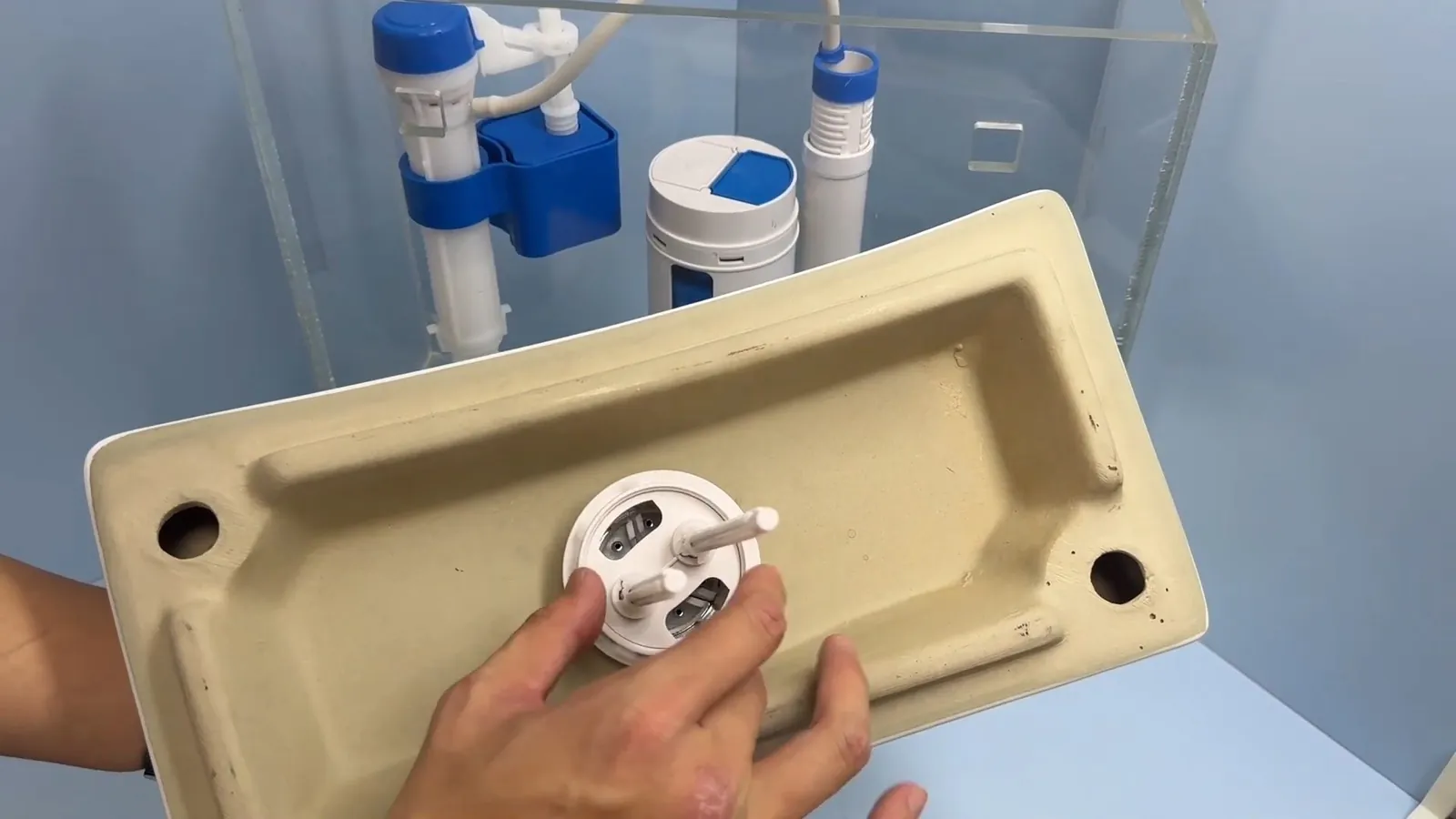
Which fixture is it, and what usually fails
Most fixture problems come down to a small, wearing part. The table lists the usual suspects, so you can describe the problem accurately when you call.
| Fixture and symptom | Usual part at fault | Typical fix |
|---|---|---|
| Faucet drips from the spout | Cartridge, washer or seat | Replace the worn part, or the faucet if parts are scarce |
| Faucet leaks at the base | O-ring or a loose packing nut | Replace the seals and tighten the connection |
| Toilet runs or refills on its own | Flapper, fill valve or chain | Replace the worn piece and reset the water level |
| Toilet rocks or leaks at the floor | Wax ring or loose closet bolts | Reset the toilet on a new seal |
| Shower will not shut off or turns hot and cold | Valve cartridge | Replace the cartridge or the valve body |
| Water under the sink | Supply stop, supply line or trap connection | Replace the leaking piece |
Toilets: repair, replacement and the one that keeps running
A toilet that runs on its own is almost always the flapper or the fill valve. A quick check: lift the lid, and if the water level sits above the overflow tube or keeps refilling after the flush, a part is not sealing. Replacement parts are inexpensive, and the plumber should have them on the truck.
Rusted tank bolts are a different problem. The bolts that hold the tank to the bowl corrode and seize, and they leak where they pass through. Removing them without cracking the porcelain takes patience and the right tools, followed by new bolts and washers and a reseal.
When a toilet is cracked, constantly clogs or has worn out, installing a new one takes about the time of a repair. A running or clogged toilet that other drains share may point to a drain problem, covered under drain cleaning and clogs.
Faucets, kitchen sinks and bathroom vanities
Faucets fail in predictable ways: a dripping spout, a loose handle, low flow and a leak at the base. Low flow is often a clogged aerator, the small screen at the tip of the spout, and hard water leaves it crusted with mineral scale.
Kitchen sink fixtures
Sprayer hoses leak, pull-down heads stick and the supply lines under the sink age. Replacing a kitchen faucet usually includes new supply lines and shutoffs while the cabinet is open.
Bathroom sink and vanity
Pop-up stoppers jam and drains leak at the slip nut. A new faucet on a vanity top takes careful sealing so water does not run under the counter.
Bathtub and shower
A tub spout that sprays from the diverter, a shower head that dribbles or a valve that drips each have a separate fix. The wall access is often the hard part.
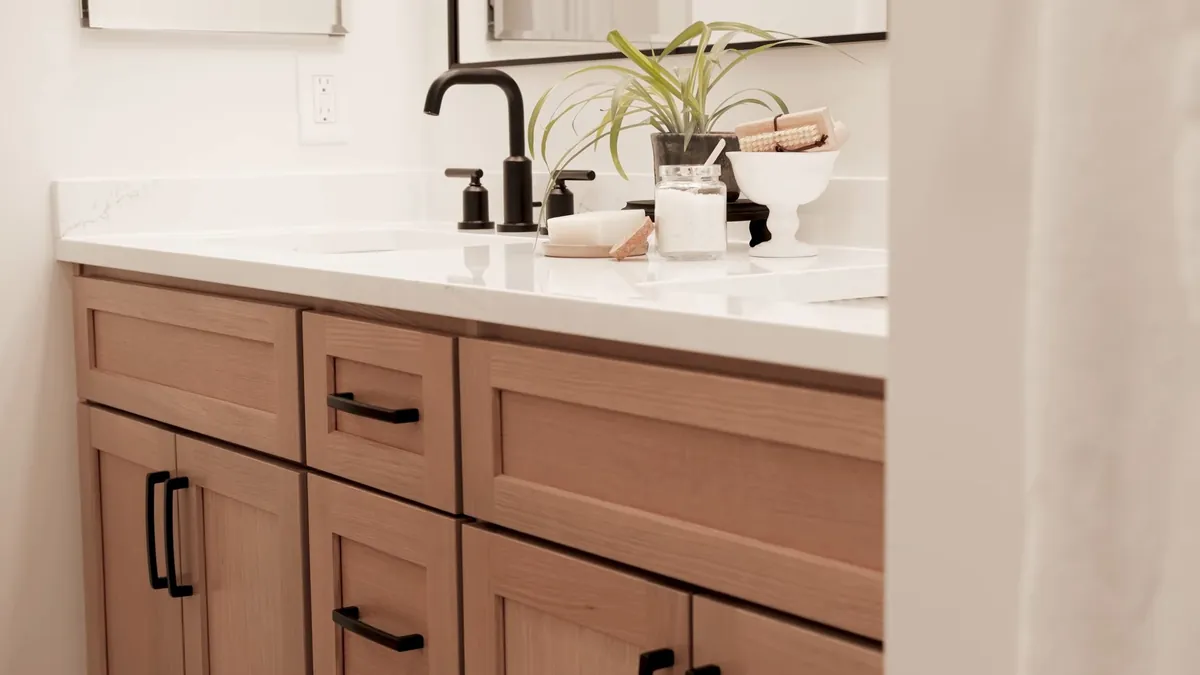
Call and say which fixture it is, then ask what the repair involves.
Shutoff valves, the small part that decides how bad a leak gets
Every fixture should have its own shutoff, often called a stop or angle valve, so one part can be repaired without turning the whole house off. Older valves seize from mineral buildup and refuse to close when you need them.
If a valve will not turn, do not force it. A cracked stem floods the cabinet. Replacing a worn stop is part of many fixture jobs. Replacing every stop in the house while the plumber is there is worth asking about, and a leak that is not at a fixture belongs on the leak detection page.
Remodels, rough-in and special installs
New fixtures in a bathroom or kitchen update need the supply and drain lines in the right place. A plumber does that rough-in work, sets the fixtures and tests them. The same applies to specialty installs: an accessory dwelling unit, a wet bar, a laundry room, or a tub converted to a shower.
This service is wet-space plumbing only. Cabinets, tile and finish carpentry belong to other trades, and the plumber will coordinate timing so the water is ready when they need it. Appliance hookups, such as a washer, dishwasher or ice maker, are connected to shutoffs and drains in the same visit.
Outdoor faucets, hose bibs and freezing nights
Hose bibs fail first in a Cottonwood winter. Federal normals count roughly 67 mornings a year below freezing at Tuzigoot, and a bib with a hose left attached can split behind the wall. Disconnect hoses before the first hard freeze, and consider a frost-proof bib where the pipe slopes outward.
Adding outdoor faucets, or converting old ones, is a short job with new shutoffs. A bidet attachment is also a fixture install, using the toilet supply and a small tee.
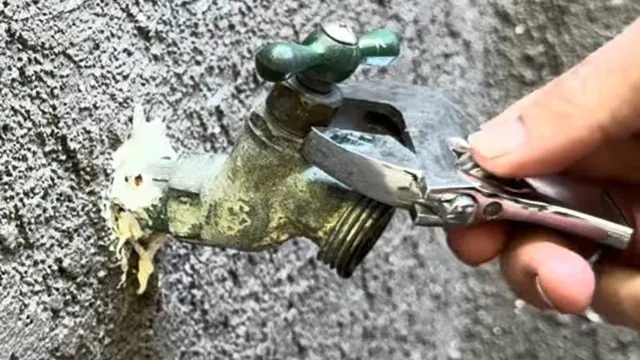
Describe the fixture and its symptom, then give your Cottonwood address.
Faucet and toilet questions
How do I remove and reseal rusted toilet tank bolts?
Corroded bolts seize, and forcing them can crack the tank. A plumber cuts or loosens them carefully, replaces them with new bolts and rubber washers and reseals the connection. It is worth having done properly to prevent a leak at the base.
Should I winterize outdoor faucets before it freezes?
Yes. Disconnect hoses, close any interior shutoff to the bib and open it to drain. Frost-proof bibs are an upgrade for faucets that freeze often.
Water is backing up near the floor and a toilet gurgles. Is that a fixture problem?
No. Gurgling and water at the lowest drains point to a main line blockage. Stop using water in the house and see the pages on drain cleaning or sewer line repair.
Why does my toilet randomly run?
The flapper is not sealing, the fill valve is not shutting off or the chain is caught. Check the water level against the overflow tube. A new flapper or fill valve usually fixes it.
Call, describe the fixture and give your address.