
24/7 Emergency Line Open
Water Damage Restoration in Cottonwood, AZ: Emergency Water Removal, Drying and Mold Removal
A pipe split overnight, a heater tank let go, or a drain backed up into the floor. Standing water and wet materials do more harm every hour they sit. This page covers getting the water out, drying the structure and removing mold that has already started. Call the water damage line and describe what happened.
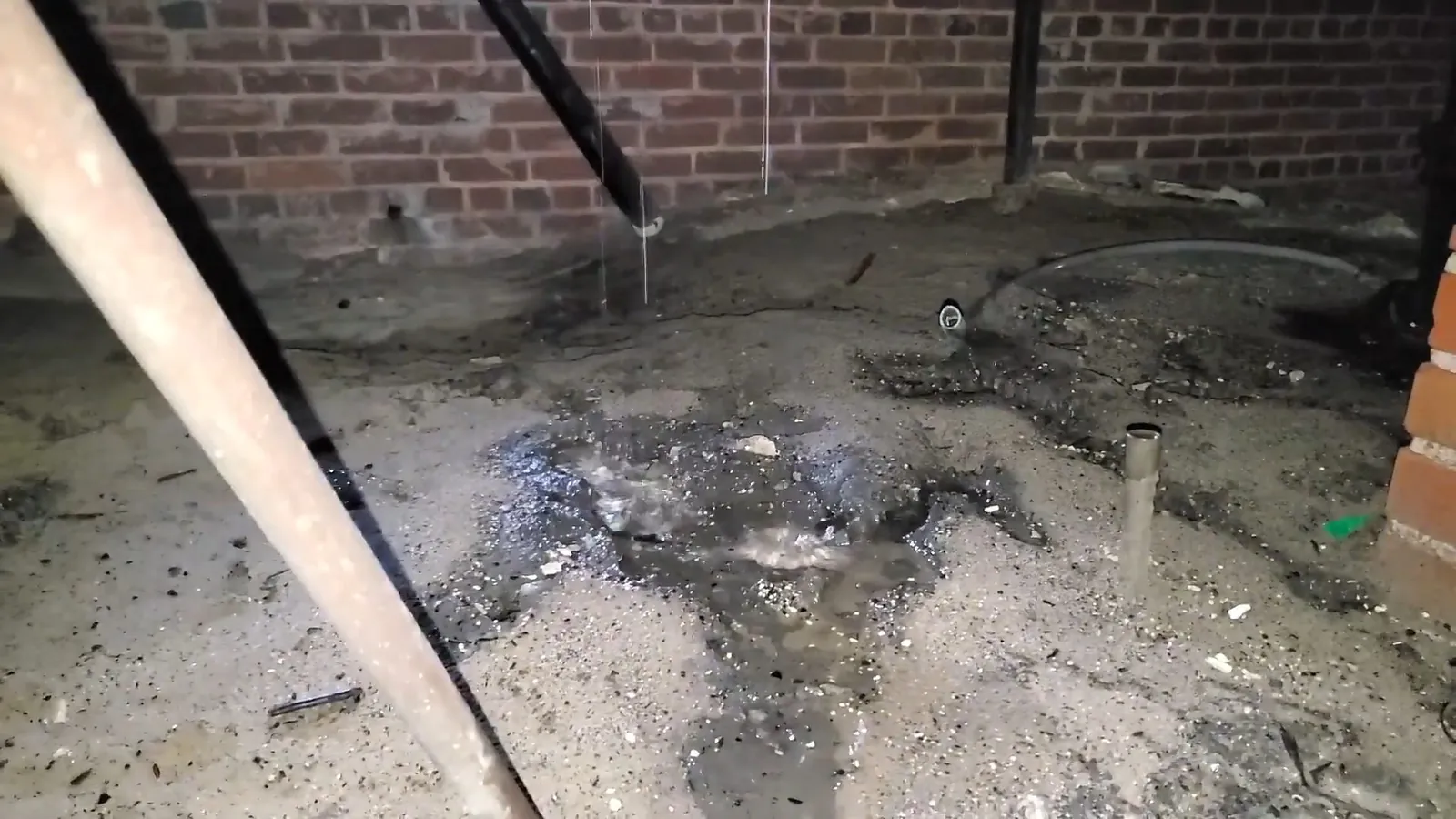
First actions while you wait for a plumber
The order matters. Stop the source first, make the area safe second and protect what you can third.
- Close the main water valve if a supply line or heater is the source.
- Switch off power to wet areas at the breaker if you can reach it without standing in water.
- Lift small items, rugs and furniture legs off wet floors.
- Photograph everything before moving it, including the source of the water.
What the water came from changes the job
Clean supply water, drain backups and groundwater are three different problems. Supply water from a burst pipe is the simplest to handle. Sewage carries bacteria and needs protective gear and careful disposal of porous materials. The table shows how the source shapes the response.
| Source | What it affects first | How the response differs |
|---|---|---|
| Burst or leaking supply pipe | Drywall, insulation, flooring | Remove water, open walls where needed, dry with air movers |
| Failed water heater tank | Utility closet, nearby floors | Shut off water, extract, dry the framing and floor |
| Sewage backup | Lowest floors and drains | Protective gear, removal of soaked porous materials, disinfect |
| Slab or hidden leak | Flooring over the slab | Find the source first, then dry the floor system |
| Appliance hose failure | Kitchen or laundry floor | Extract, dry, check the cabinet base |
Water extraction and removal
Extraction comes first because standing water spreads into everything it touches. Pumps and wet vacuums pull the water off hard floors and out of carpet and padding. Carpet padding is usually removed because it holds water and dries slowly.
Whole-house and basement flooding take more equipment and longer pumping. A flooded crawl space is especially tricky because the dirt floor and framing stay wet, and a plumber who finds the source, such as a failed supply line, stops the water before drying begins.
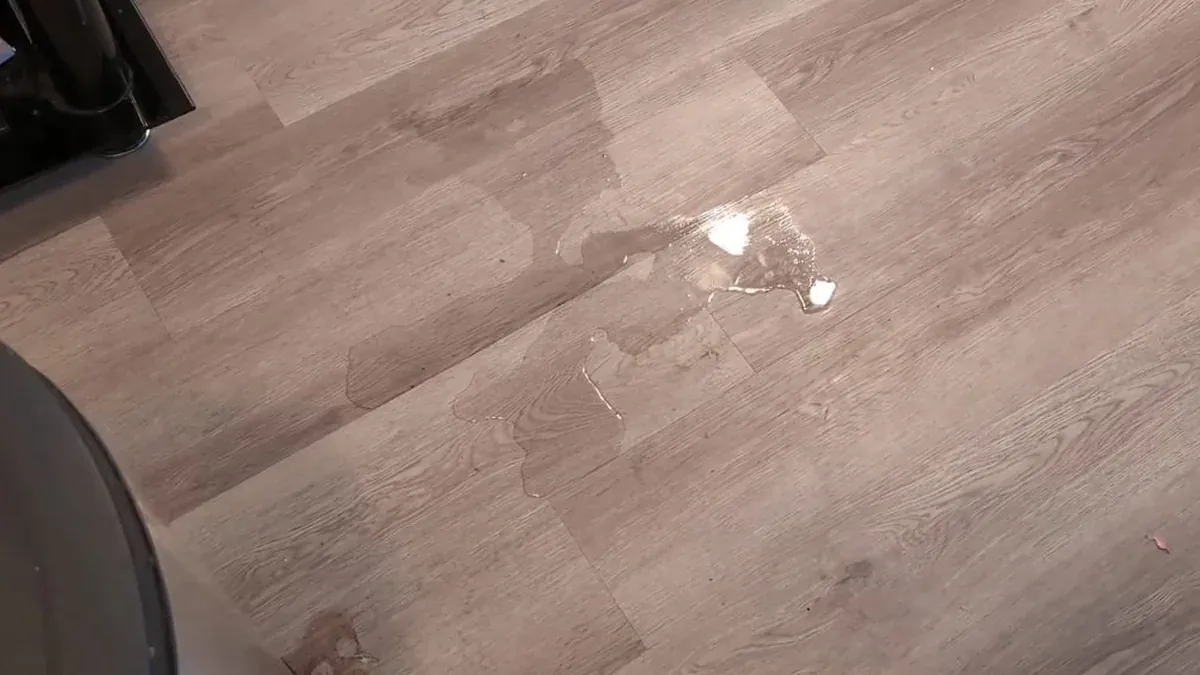
Call the water damage line and describe the source and the rooms involved.
Drying equipment and how long a dry-out takes
Air movers push moving air across wet surfaces, and dehumidifiers pull moisture from the air so it does not settle back. Moisture meters check wall cavities, subfloors and framing so nothing is declared dry by feel alone.
Drying is measured, not guessed. The plumber or drying crew reads the same spots each visit until they reach a normal moisture level for that material. Rushing this step is how hidden dampness turns into a musty room a month later.
Flooring decides much of the plan. Hardwood can often be dried in place if caught early, while laminate and carpet padding usually come out. Tile holds up well, but the subfloor below needs checking.
Burst pipes, slab leaks and hidden sources
Many water losses start with a plumbing failure nobody saw. A hidden supply leak can soak a wall for weeks. Slab leaks send water up through the floor, and the same pressure that wets a floor can also point to a slab leak that needs its own repair. Freezing nights are a documented risk locally, since the nearest federal weather station counts about 67 freezing mornings in a normal year.
A sewage backup is a different category. When wastewater comes up through a floor drain, the cause is often a blockage in the main drain or a damaged line, and the sewer line has to be diagnosed before cleanup is lasting.
Mold: removal and testing
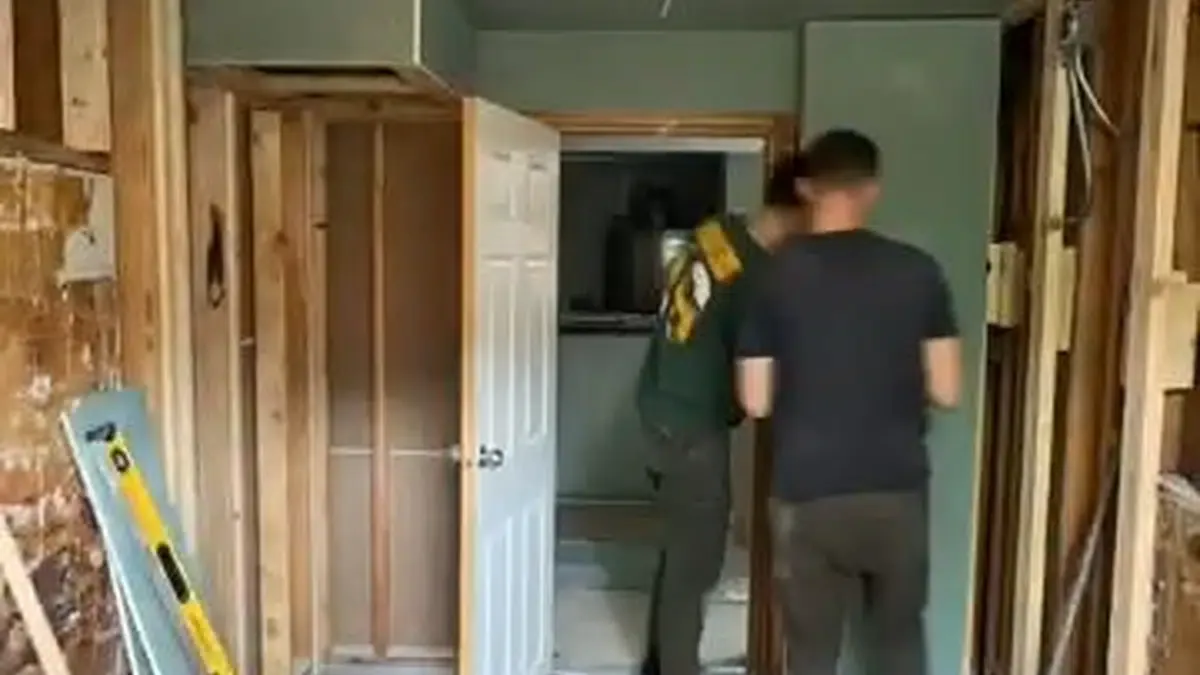
Mold can begin within days when materials stay wet. Small patches on a hard surface can be cleaned. Wet drywall, insulation and carpet with visible growth are removed rather than treated in place.
Mold testing is part of this service. A test confirms whether growth is present in a hidden cavity and where it sits, so removal is aimed at the right area. A musty odor under basement stairs or in a closet corner is a good reason to test before opening anything, and a condo owner can use the same result for a mold assessment requested by the association. Removal here means taking out the affected materials. Rebuilding walls, painting and replacing flooring afterward belong to other trades.
Call the water damage line today and ask about drying and mold testing.
Insurance records and what this work does not cover
Insurance claims go more smoothly with good records. Take dated photographs, keep receipts and ask for a written description of the source and the work performed. The plumber can provide documentation of the cause of the loss.
The scope here is plumbing-related water, which means removal, drying and mold removal. Smoke and soot cleanup is a different trade. Basement waterproofing, grading and foundation inspection are also separate specialties, and the plumber will say plainly when a problem points outside plumbing. Condo, apartment and commercial properties follow the same steps, with extra attention to shared walls and who authorizes access. Storm runoff and river flooding are different kinds of loss from a plumbing failure, and only the plumbing source is addressed here.
Water damage questions
What should I do first after a pipe bursts?
Shut off the main water valve, switch off power to affected areas if it is safe and photograph the damage. Then call so extraction and drying start quickly.
How fast does mold start after water damage?
It can begin within a couple of days in wet materials. Fast extraction and thorough drying are what limit the damage most.
Do you handle sewage backups?
Yes. A sewage backup needs protective gear and removal of soaked porous materials, and the blockage or line damage behind it must be found.
Is smoke and soot cleanup included?
No. Smoke and soot cleanup is a different trade. This service covers plumbing-related water removal, drying and mold removal.
Is mold testing available?
Yes. Testing confirms whether growth is present in a hidden cavity and where it is, so removal targets the right place.
A plumber serving your area can start with the source and the extraction.