
24/7 Emergency Line Open
Emergency Gas Line Repair in Cottonwood, AZ: Suspected Leaks, New Appliance Hookups and Pipe Replacement
You smell gas, or you are adding a range, dryer or fireplace and the line is not there yet. Get everyone outside for a smell, then call the gas company. Once the area is safe, a plumber serving your area handles the piping.
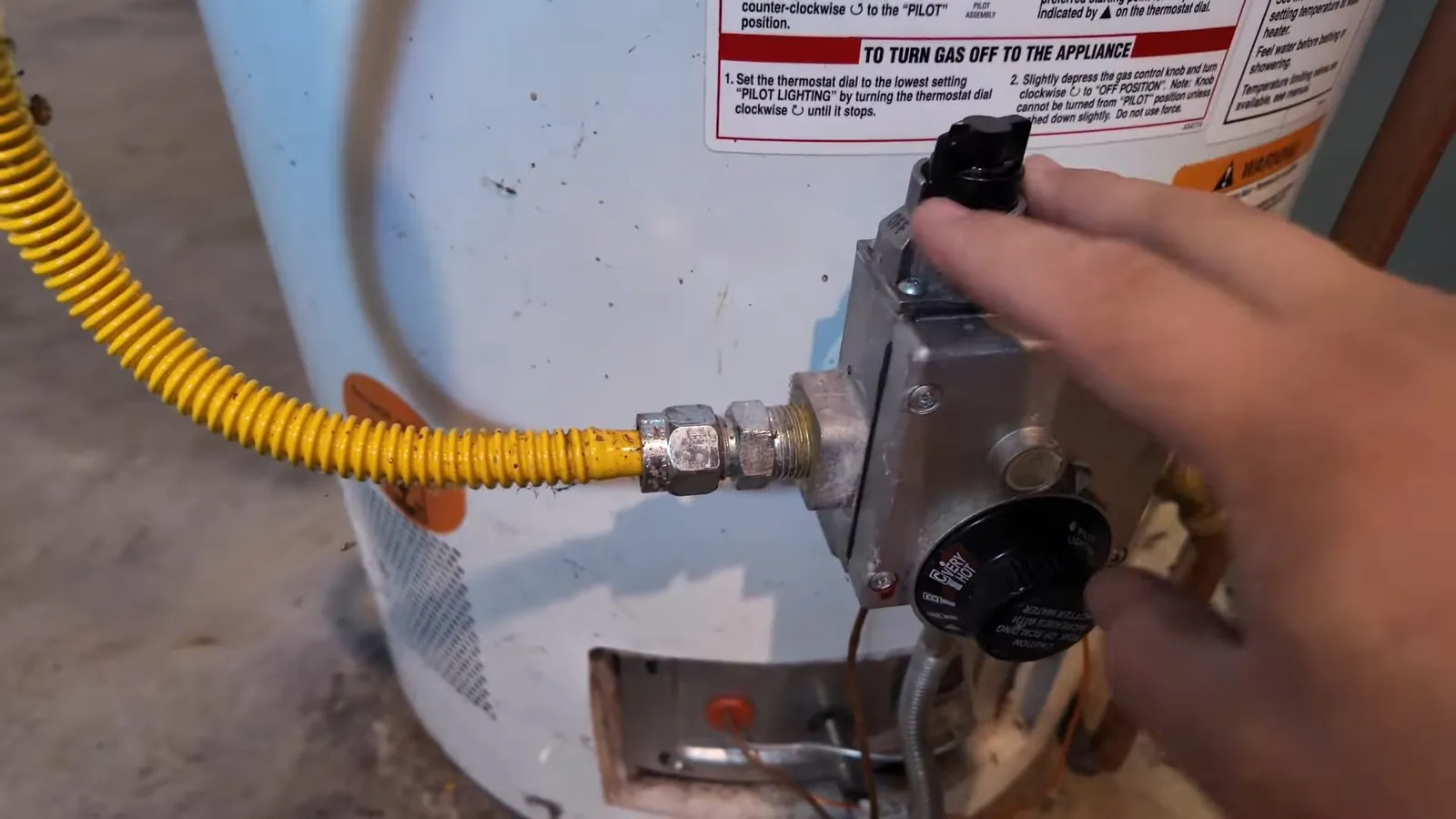
Safety first
Smell gas? Leave first, then make two calls
- Get everyone, including pets, outside right away.
- Do not switch lights on or off, use the phone inside, light a flame or start an engine near the house.
- From a safe distance, call the gas company or 911.
- Stay outside until the utility says it is safe to return.
UniSource Energy Services is the natural gas utility named for the Verde Valley, while homes on propane are served by a tank, so confirm which one supplies yours. A smell outside the house, near a meter or a buried line, gets the same response.
Gas line repair after a leak is found
Once the supply is off and the area is safe, a plumber looks for the source. That means a soap solution on joints, an electronic detector and a pressure test of the piping that holds a set pressure over time. A drop on the gauge confirms a leak even when nothing can be smelled.
Repairs can be a tightened or replaced fitting, a new section of pipe or the replacement of a worn flexible connector at an appliance. Your gas is turned back on only after the piping passes a test, and an inspection may be required before the utility restores service.
Installing a new gas line
New runs are needed for ranges, dryers, fireplaces, outdoor grills, generators and tankless heaters. The plumber sizes the pipe for the total load, routes it, fits a shutoff at each appliance and tests it before use.
| Appliance | What to plan for | Common extra step |
|---|---|---|
| Range or cooktop | A shutoff within reach and a flexible connector | Check the old connector for wear |
| Dryer | A dedicated stub with its own valve | Venting and clearance behind the unit |
| Fireplace or insert | Line to the burner and a manual shutoff | Check clearances and the burner rating |
| Outdoor grill or fire feature | A buried or surface line with a quick-connect | Digging requires an 811 notice |
| Standby generator | A line sized for the full load | Often a separate meter or supply review |
A larger supply may be needed for a new tankless heater gas needs or a replacement tank, covered under water heater installation.
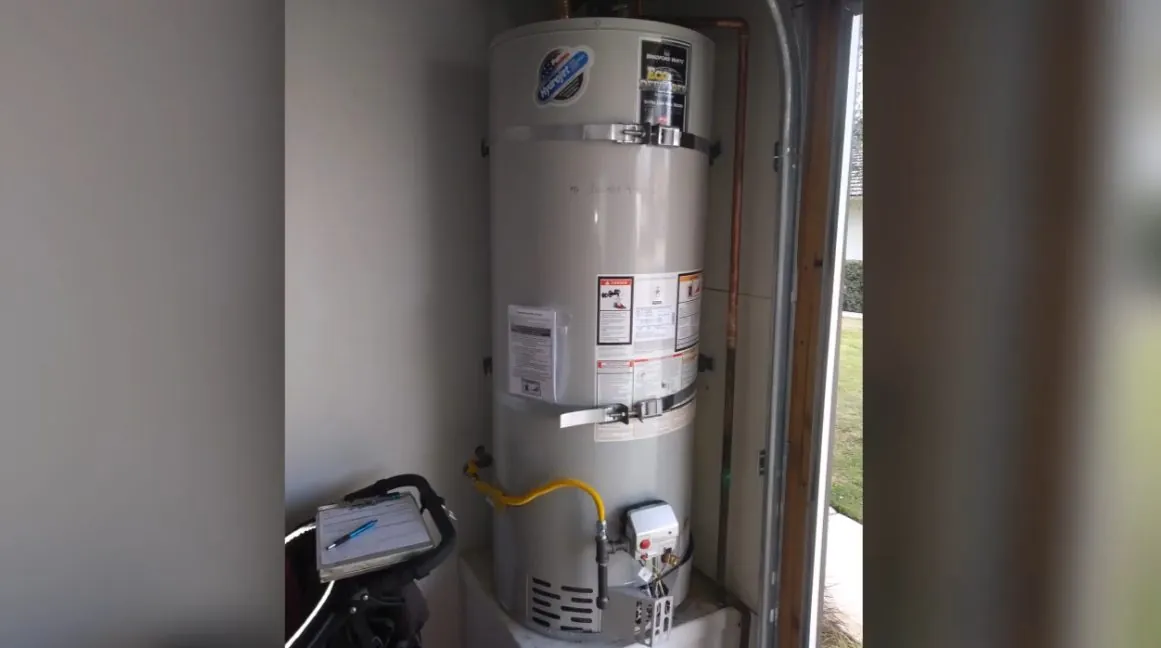
Say what you are installing and where, then ask how the run would go.
Black iron, CSST and flexible connectors: replacing aging gas pipe
Black iron is the traditional rigid gas pipe and lasts a long time when kept dry. Corrugated stainless steel tubing, called CSST, is flexible and quick to route through a house, but it has specific bonding and installation rules. Flexible appliance connectors wear out and need replacing at intervals.
A plumber replaces pipe when corrosion shows, when a section has failed a pressure test or when an old material no longer meets current practice. Nothing here is a do-it-yourself job, because a poor joint is a leak you cannot see.
Written notes help at every stage. Record which appliances run on the line, where the shutoff valve sits and the date of any test or repair, and label the valve so any adult in the home can find it fast. The notes let the next plumber, an inspector or a buyer see the history quickly, and they save time when you describe the setup to dispatch.
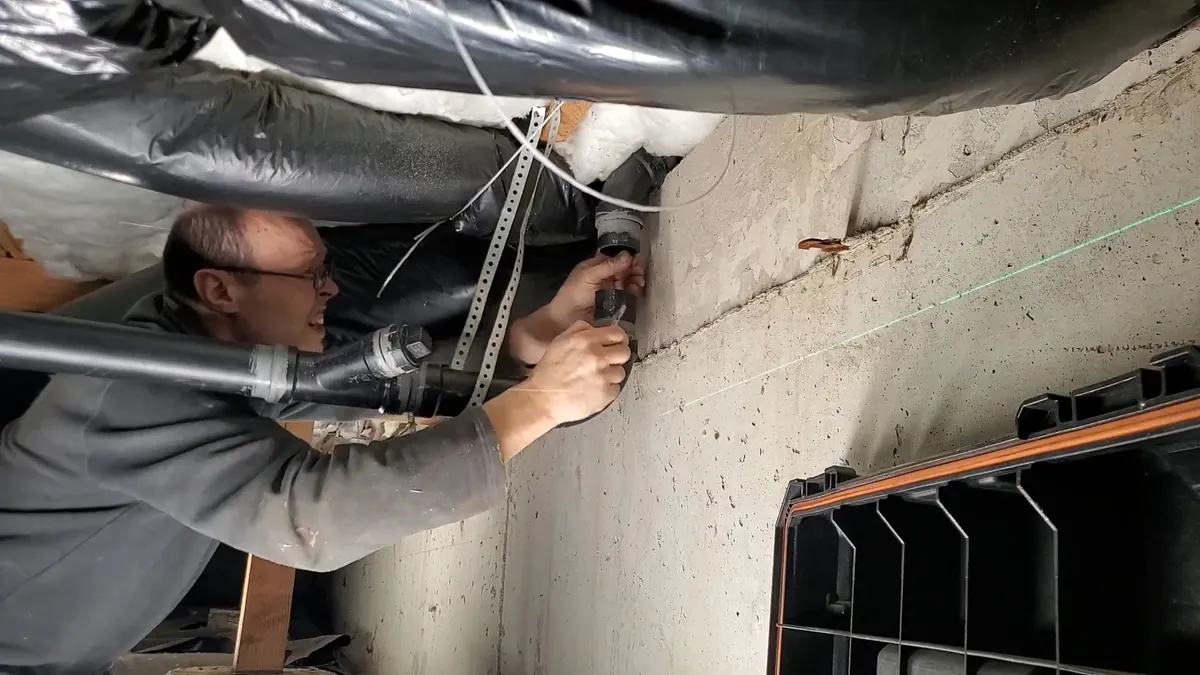
Gas line inspection before you buy, remodel or relight
An inspection is a calm way to learn what you have. The plumber looks at accessible piping, shutoffs, flexible connectors and the condition of fittings, then pressure tests the system. A written note on what was found is useful in a sale, a remodel or after a long period with the gas off.
Relighting after the gas has been shut off for a while should wait for that check. A pilot or burner lit on a system that has not been tested is the wrong way to find a leak. Ask the plumber to test the piping first, then reconnect each appliance one at a time.
Homes that were remodeled over the years sometimes have appliances added to old branches. A load calculation shows whether the existing pipe can carry everything on it at once, which is worth knowing before another appliance is added.
Propane, permits and digging
Some homes run on propane from a tank, not a utility pipe, and the piping after the regulator is plumber work too. Ask your plumber whether the tank, regulator and line meet current rules. Propane delivery and tank service belong to the propane supplier.
Gas piping counts as plumbing and mechanical work, and the city handout says those changes need a building permit. Ask the plumber who pulls it and whether an inspection follows, or call Community Development at (928) 634-5505. For a buried gas run, 811 needs at least two working days ahead of the dig.
Call and describe the appliance or the concern, then give your address.
Gas line questions, answered carefully
Who installs gas lines?
A licensed plumber, with the correct permit and a pressure test before the line is used. The gas utility handles its own pipe up to and including the meter, and your plumber handles the piping from there.
What if I need gas work fixed after hours?
Call the dispatch line. Gas leaks go to the utility or 911 first, because they are a safety emergency. Repairs follow when a plumber is available, and no arrival time is promised.
What should I do if I smell gas outside my house?
Move away from the area, avoid anything that could spark and call the gas company or 911 from a safe distance. Do not try to find the source yourself.
Does propane need a plumber?
The tank and delivery belong to the propane supplier. Piping from the regulator to your appliances is plumbing work and needs a pressure test, like natural gas piping.
Call, describe the job and give your Cottonwood address.