
24/7 Emergency Line Open
Garbage Disposal Service in Cottonwood, AZ: Jams, Leaks, Humming Motors and New Units
The disposal hums but the blades will not turn, water seeps from underneath, or the sink drains slowly and smells. A disposal is a small machine under a busy sink, and most of its failures follow a short list. A plumber serving your area can sort out which one you have.
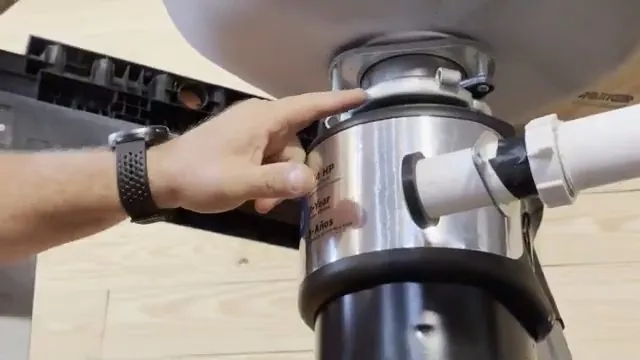
Quick checks before anyone arrives
A few safe steps tell you a lot and sometimes clear the problem outright. Keep your hands out of the disposal at all times, even when it is switched off.
- Switch the wall control off and, if you can reach it, turn off the breaker for the disposal.
- Look under the sink for a drip at the top flange, the side hose or the bottom seam.
- Find the small hex socket on the underside of most units and a reset button beside it. A tripped reset button means the motor overloaded.
- Run cold water and listen. A hum with no spinning means a jam, while silence means no power.
Repair: jammed, humming or dead
A humming disposal that will not spin is jammed. A spoon handle, a fruit pit or a bone fragment wedges the flywheel. Once the power is off, a plumber frees the jam from underneath with a hex key and clears the debris from above.
A dead disposal with no hum often has a tripped reset or a failed switch. If the motor keeps tripping after a reset, the windings are failing and the unit is near the end of its life. Repairing a worn motor rarely beats a replacement, and the plumber will tell you which side of that line your unit sits on.
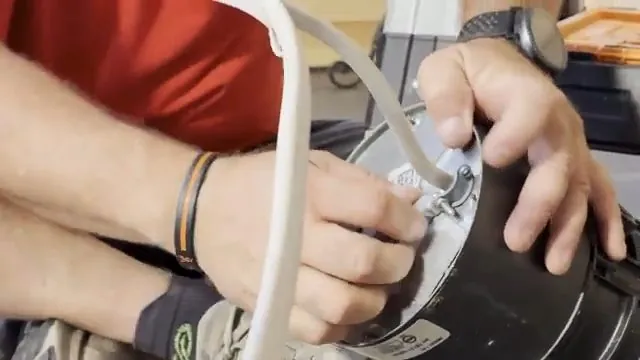
Leaks: where the water is coming from decides the fix
A leak is the most common disposal call, and the location narrows it down. Water at the top points to the sink flange and its putty seal. Water from the side points to the drain hose or the dishwasher connection. Water from the bottom or from the body usually means the housing has corroded or cracked, and that unit is done.
| Where the water appears | Likely cause | What a plumber does |
|---|---|---|
| Around the sink opening | Flange seal has dried or the mounting is loose | Reseat and reseal the flange |
| At the side drain hose | Worn clamp or cracked hose | Replace the hose and clamp |
| At the dishwasher inlet | Loose or aged hose connection | Reconnect or replace the fitting |
| From the bottom or housing | Cracked or corroded body | Replace the whole unit |
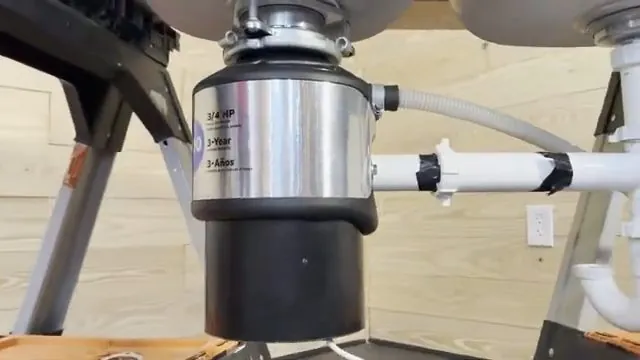
Tell the dispatcher where the water shows up, then give your address.
Slow sinks and clogs on the disposal side
When the sink backs up with the disposal running, the blockage may sit in the trap, the tailpiece or the kitchen branch. Grease and starch build up in the drain beyond the disposal, and grinding more food only packs it in tighter.
If the other fixtures are also slow, the blockage is farther along the line and falls under whole-line clog removal. A plumber checks the disposal side first, then follows the water to the real stoppage.
A simple test helps here. Run cold water in the neighboring sink and see whether it drains normally while the disposal side stays slow. If only the disposal side is slow, the problem is usually in the unit or the trap just below it. If both sides are slow, the blockage sits past the junction, and grinding more food waste will only make it worse.
Replacing a disposal and choosing the right size
Replacement is a short job on most sinks. The old unit comes off its mounting ring, the new one locks in, and the plumber reconnects the electrical cord or hardwire, the drain and the dishwasher hose. The knockout plug inside the dishwasher inlet must be removed on a new unit, a step that gets missed on do-it-yourself swaps and leaves the dishwasher unable to drain.
Horsepower is the choice that matters. A small household that cooks lightly does well with a modest motor. A busy kitchen that grinds more often benefits from a stronger one. Continuous-feed units start with the switch, while batch-feed units run only with the stopper in place.
A sink that has been cut for an older disposal, or one with a different mounting style, may need an adapter or a new flange. Bring that up when you call so the plumber arrives with the right fittings.
Call, describe the model if you can read it and give your Cottonwood address.
What to keep out of a disposal
Most repeat calls trace back to the same habits. Grease poured down the drain cools into a coating that catches everything after it. Fibrous scraps such as celery and corn husks wrap the blades, and coffee grounds and eggshells pack into the trap.
Run cold water before, during and for a few seconds after grinding, and feed scraps in small amounts. In an area with hard water, mineral scale can also stiffen the seals over the years, which is one more reason a disposal leaks at an older seam.
Garbage disposal questions
Why does my garbage disposal hum but not spin?
The flywheel is jammed. Turn the power off, then work it loose from below with the hex key socket on the underside, and clear what stuck it from above using tongs.
Why is water leaking from under my garbage disposal?
Check the top flange, the side drain hose and the dishwasher connection first, each of which can be resealed or replaced. A leak from the body or bottom seam means the housing failed.
My sink is clogged. Is the disposal the problem?
Sometimes the blockage is in the trap or the drain past the disposal. If other fixtures are also slow, the stoppage is in the main drain line.
Should I repair or replace a disposal?
A jam, a loose flange or a bad hose is worth repairing. A cracked housing, a leaking seam or a motor that keeps tripping is usually a replacement.
Call now and a plumber serving your area will sort out the disposal.