
24/7 Emergency Line Open
Water Softeners and Filtration in Cottonwood, AZ: Hard Water Fixes, RO and Whole-House Filters
White crust on the faucet, spotted glasses, soap that will not lather and a heater that runs loud are the signs of hard water. Treatment ranges from a drinking water filter at one sink to a softener on the whole house. A plumber serving your area can match the equipment to the problem.
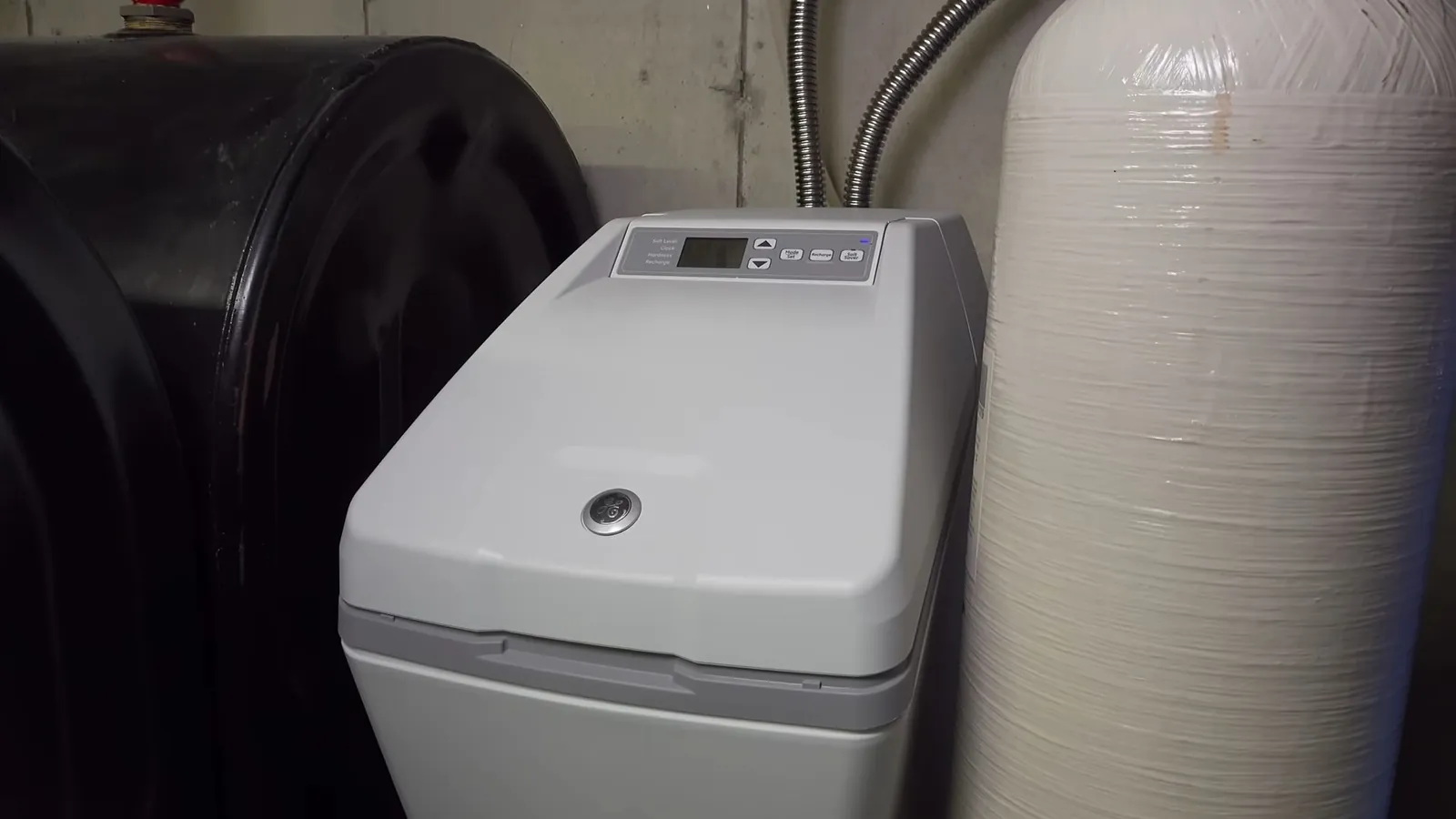
Which treatment solves which problem
Softeners and filters do different jobs, and buying the wrong one is the usual mistake. A softener removes the minerals that cause scale. A filter removes taste, odor and particles. Reverse osmosis polishes drinking water at one tap.
| Equipment | What it targets | Where it sits |
|---|---|---|
| Salt-based softener | Calcium and magnesium scale | At the main line, before the heater |
| Whole-house filter | Sediment, chlorine taste and odor | At the main line |
| Under-sink filter | Drinking and cooking water taste | Under one sink |
| Reverse osmosis system | Dissolved solids in drinking water | Under the kitchen sink |
| Valve and resin service | Existing softener that stopped working | At the softener |
Signs of hard water and how to test it
The signs show up in the same few places. Look for chalky white buildup on faucets and showerheads, cloudy glassware from the dishwasher, stiff laundry and a dry feeling on skin after a shower. Inside the pipes, scale narrows the opening and builds on the heater element or tank floor.
The local picture is an estimate rather than a measurement. A third-party estimate for ZIP 86326 reads roughly 17 grains per gallon (waterhardness.org, March 2026). Cottonwood has published no city figure. A simple test strip or a hardness kit tells you what your tap actually delivers.
- Chalky crust at fixtures
- Spotted dishes after the dishwasher
- Soap that is slow to lather
- A water heater that rumbles as it heats
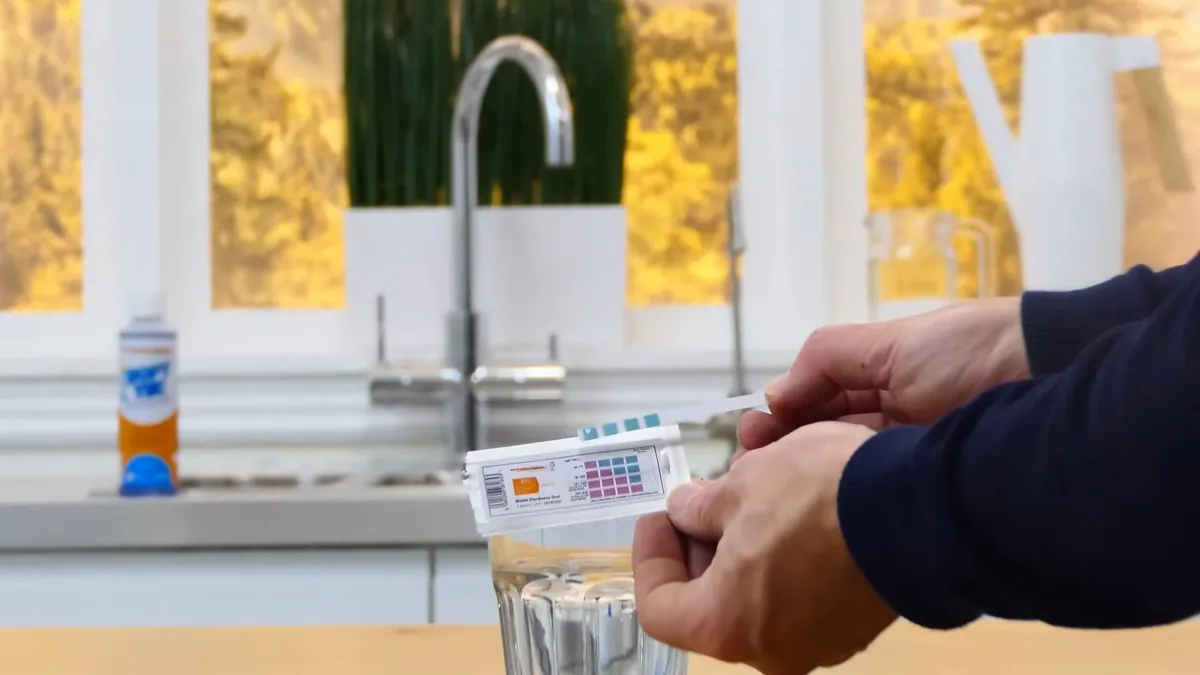
Call and describe the signs, then ask what test fits your water.
Water softeners: installation and service
A salt-based softener uses resin beads that trade calcium and magnesium for sodium. When the beads fill, the unit regenerates with a brine flush and starts again. The installer places it at the main line before the water heater so every tap benefits, and adds a drain connection for the discharge.
Protecting the heater is a major reason to treat hard water. Mineral scale insulates the element and the tank floor, which is one of the reasons a unit fails early. See the notes on heater noise and repair if your heater already makes noise.
Existing softeners fail in familiar ways. A control valve stops cycling, a brine tank forms a salt bridge, or the resin wears out after many years. A plumber can diagnose which one and replace the valve or the resin.
Salt, brine and regeneration
Softeners use salt pellets or blocks in the brine tank. Check the level monthly and keep it above the water line. A hard crust on the salt, or an empty tank with no brine, means the unit is not regenerating properly and the water softens poorly.
Settings matter. The hardness setting and the regeneration schedule should match your water and your household use, and a plumber adjusts both during installation.
A salt bridge is a hard crust that leaves an empty gap beneath it, so the tank looks full while the resin gets no brine. A gentle push with a broom handle can reveal the gap. If the salt feels hollow, break the crust and tell the plumber, who can check whether moisture or the wrong salt type caused it.
Reverse osmosis, under-sink filters and whole-house filters
Reverse osmosis forces water through a fine membrane and stores the clean result in a small tank, with a dedicated faucet at the sink. It is the choice for drinking water with the least dissolved content. Under-sink filters are simpler and improve taste and odor.
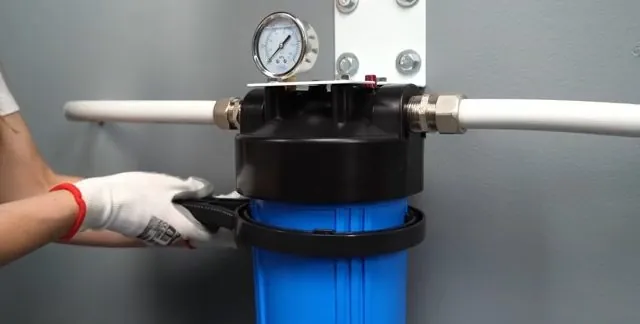
A whole-house filter sits at the main line and catches sediment and chlorine for every tap. Filters need new cartridges on a schedule, so an install should leave you with the part numbers and a replacement interval.
Call for a plumber serving your area and ask which system matches your water.
Local water supply and what treatment does not change
Cottonwood city water comes from wells and storage tanks, and the Water Operations office can answer questions about the supply at (928) 634-0186, extension 3306. Verde Village is on separate systems. Treatment equipment improves taste and scale at your tap. It does not replace the utility's own testing.
Plumbing changes that touch the main line, such as adding a softener, may require a permit, and a plumber will confirm that before starting.
Installing a softener or filter: what the visit involves
An install starts with locating the main line, the nearest drain and a power outlet. The plumber shuts off the water, cuts in the bypass valves and connects the unit, then runs a rinse cycle and sets the hardness. A bypass lets you isolate the equipment for service without losing water to the house.
Outdoor spigots and a few lines are often left on untreated water, since a lawn does not need softening and the salt adds load to the unit for no benefit. Ask about that when you plan the connection points.
The discharge from regeneration must go to a proper drain with an air gap, never directly into a sewer or septic line. If your home uses a septic system, mention it when you call, since discharge volume and salt content matter there.
Softener and filter questions
How do I know if I have hard water?
Look for chalky buildup on faucets, spotted dishes and stiff laundry. A test strip or hardness kit gives a number.
My water softener valve stopped working. What now?
A failed control valve is common and often replaceable without a new tank. A plumber checks power, the brine draw and the valve itself.
How often should I add salt to a softener?
Check the brine tank monthly. Keep the salt above the water line and break up any crust that forms.
Will a softener make my water taste salty?
A properly set softener adds very little sodium. A separate reverse osmosis tap can polish drinking water.
Call, share your address and describe what you see on your fixtures.